Smart automation for small and medium businesses means connecting the tools you already use, such as WhatsApp, email, your CRM and accounting software, so routine work like order confirmation, invoice chasing and lead follow up happens without anyone typing. It starts with one painful process, not a big IT project. BytezTech delivers this as process automation services built on n8n.
Key takeaways
- The cost of manual admin is hidden in evenings, delays and errors, not in a line item.
- Start with one process, test with real data for two weeks, then move to the next.
- Self hosted n8n keeps customer and financial data in house.
- Keep a human approval step on important actions until trust is built.
Using Smart Automation in SMBs, Small and medium businesses scale their business as per desire. We all know that, every hour spent on repetitive tasks is an hour not spent growing the business. That’s where smart automation has started making a real difference - not the flashy, futuristic kind you see in headlines, but the practical, behind-the-scenes systems that handle routine work without constant human oversight.
I have seen this shift firsthand while working with SMBs across manufacturing, retail, and services. It’s not about replacing people. It’s about giving them breathing room so they can focus on what actually moves the needle.
The Daily Grind That Holds SMBs Back
Most small and medium businesses still rely heavily on manual processes. Orders get entered by hand. Customer inquiries pile up in inboxes. Inventory updates happen once a day if someone remembers. Payroll, invoicing, follow-ups - the list goes on.
These tasks don’t seem expensive individually, but they add up fast. They create delays, increase errors, and burn out good employees. Owners end up spending evenings catching up on admin work instead of talking to customers or planning ahead.
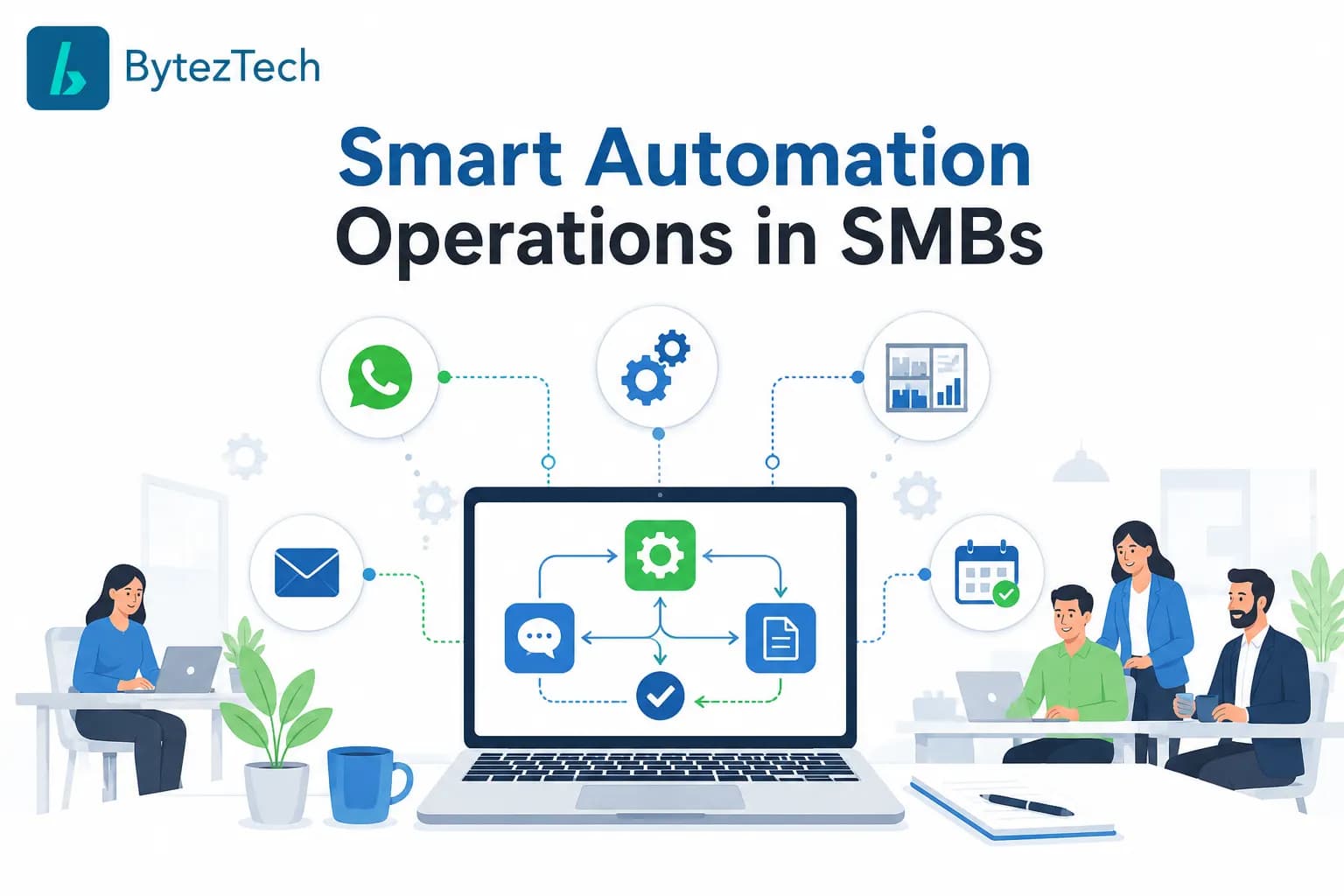
Smart Automation in SMBs changes this equation. It connects the tools you already use - CRMs, email, WhatsApp, accounting software, spreadsheets and makes them work together automatically. The best part? You don’t need a big IT department or massive budget to get started.
What Smart Automation in SMBs Looks Like
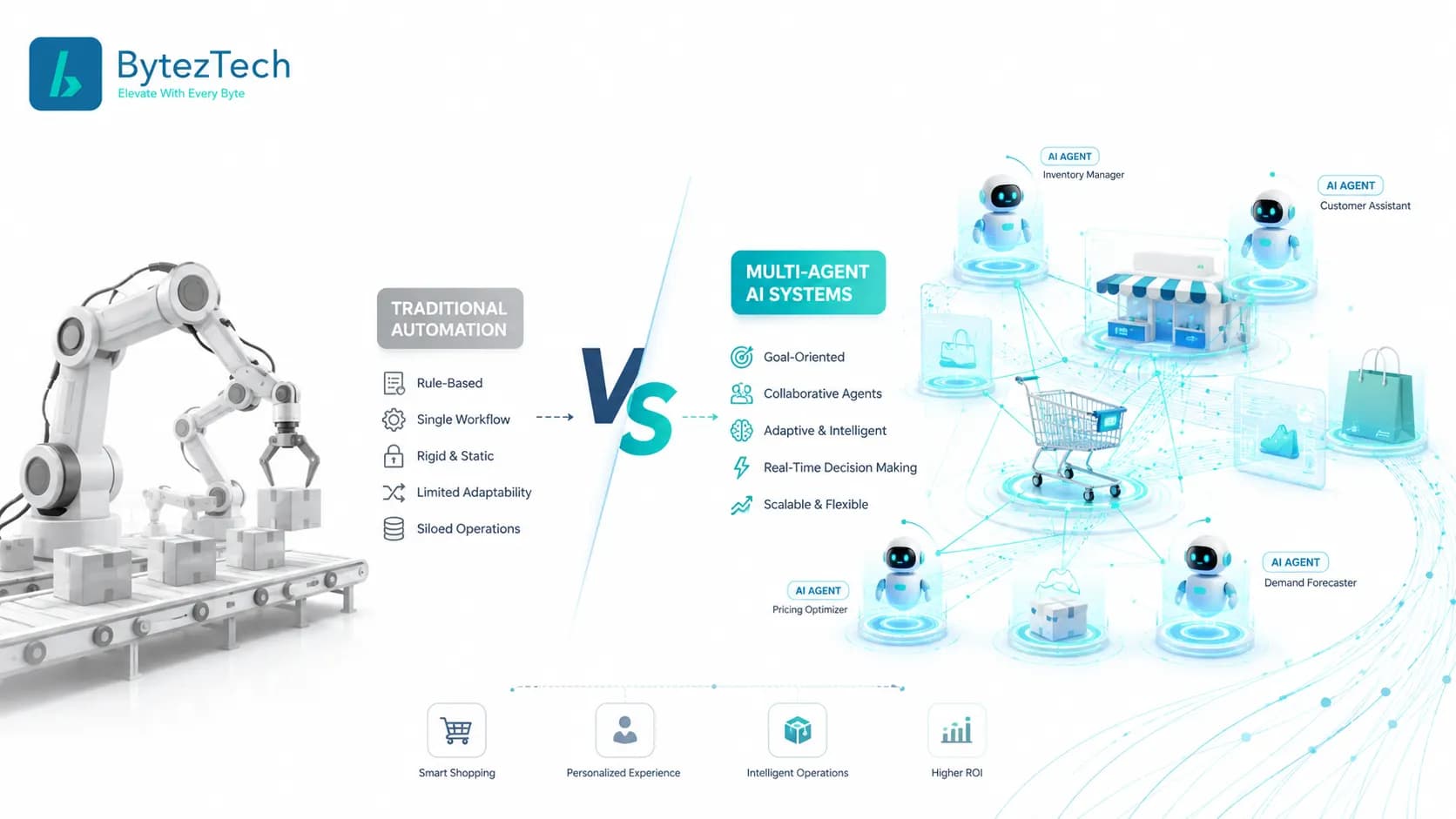
Smart automation today goes beyond simple rules like “if this, then that.” Modern systems combine basic workflow tools with AI that can understand context, make decisions, and handle exceptions.
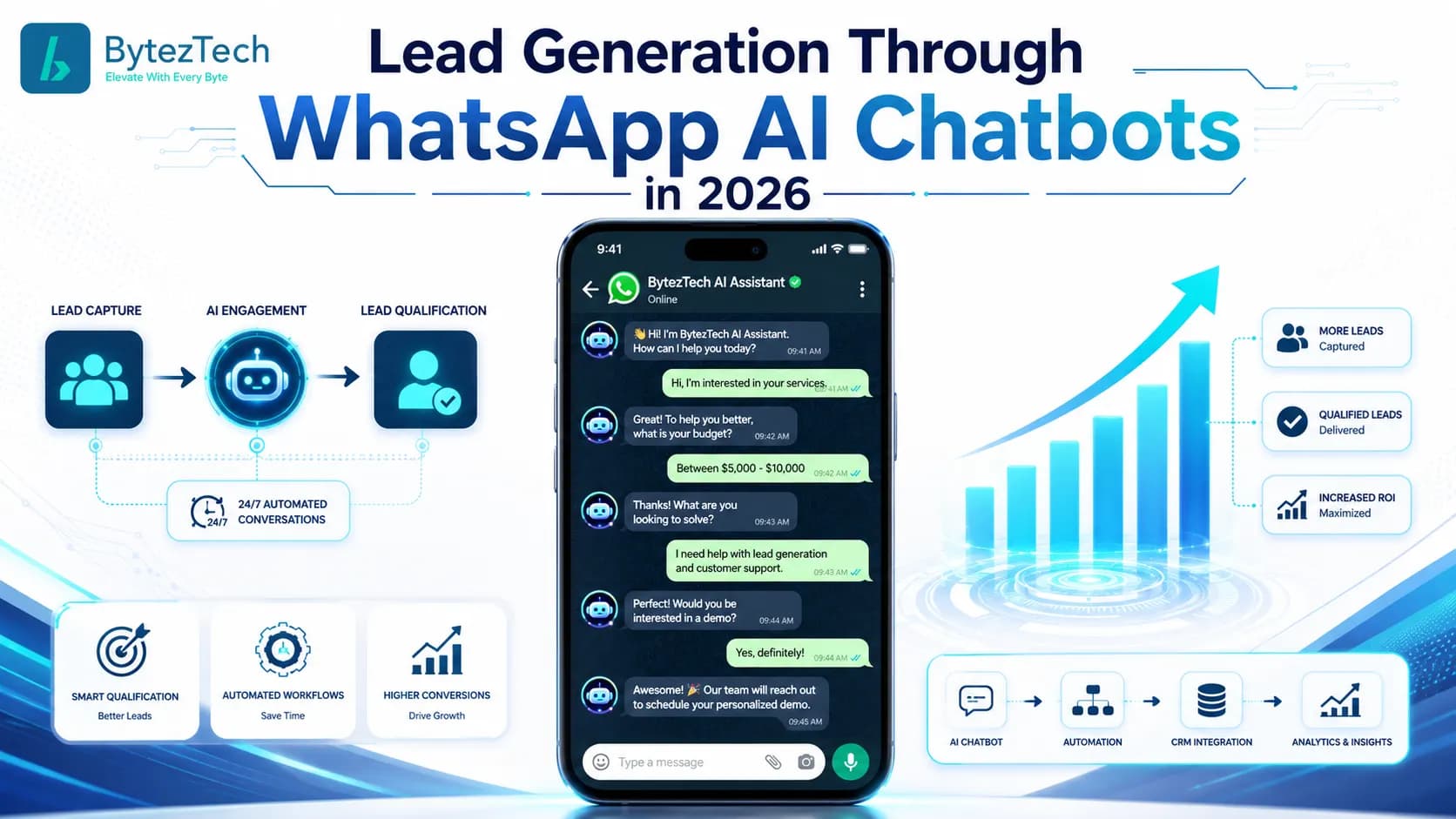
For example, when a customer messages on WhatsApp asking about order status, an automated system can pull the latest details from your database and reply instantly - even at midnight. No one has to wake up to check.
In a small warehouse, automation can monitor stock levels, flag low items, and even create purchase orders for approval. In manufacturing, it can track production milestones and notify the right person when something slips.
The key is that these systems learn and adapt. They don’t break every time something slightly unusual happens.
Benefits with Smart Automation in SMBs to Grow Businesses
The changes show up in several practical ways:
Time Savings
Teams reclaim hours every week. Instead of copying data between systems, they review exceptions or focus on higher-value work. One common outcome we see is that administrative staff can handle 2-3 times more volume without extra hires.
Fewer Costly Mistakes
Humans get tired and miss details. Automated checks catch mismatched invoices, overdue payments, or stock discrepancies early. This reduces financial leaks that many SMBs don’t even realize they have.
Faster Customer Response
In retail and services, quick replies build trust. Customers expect instant answers. Automation helps you meet that expectation without expanding your support team around the clock.
Better Visibility
Owners get simple dashboards showing what’s actually happening pending orders, bottlenecks, cash flow signals instead of digging through emails and spreadsheets at month-end.
Scalability
As the business grows, smart automation stretches with you. You add new sales channels or locations without hiring proportionally more back-office staff.
Tools That Make This Accessible
You don’t need to build everything from scratch. Several user-friendly platforms have made smart automation realistic for smaller companies.
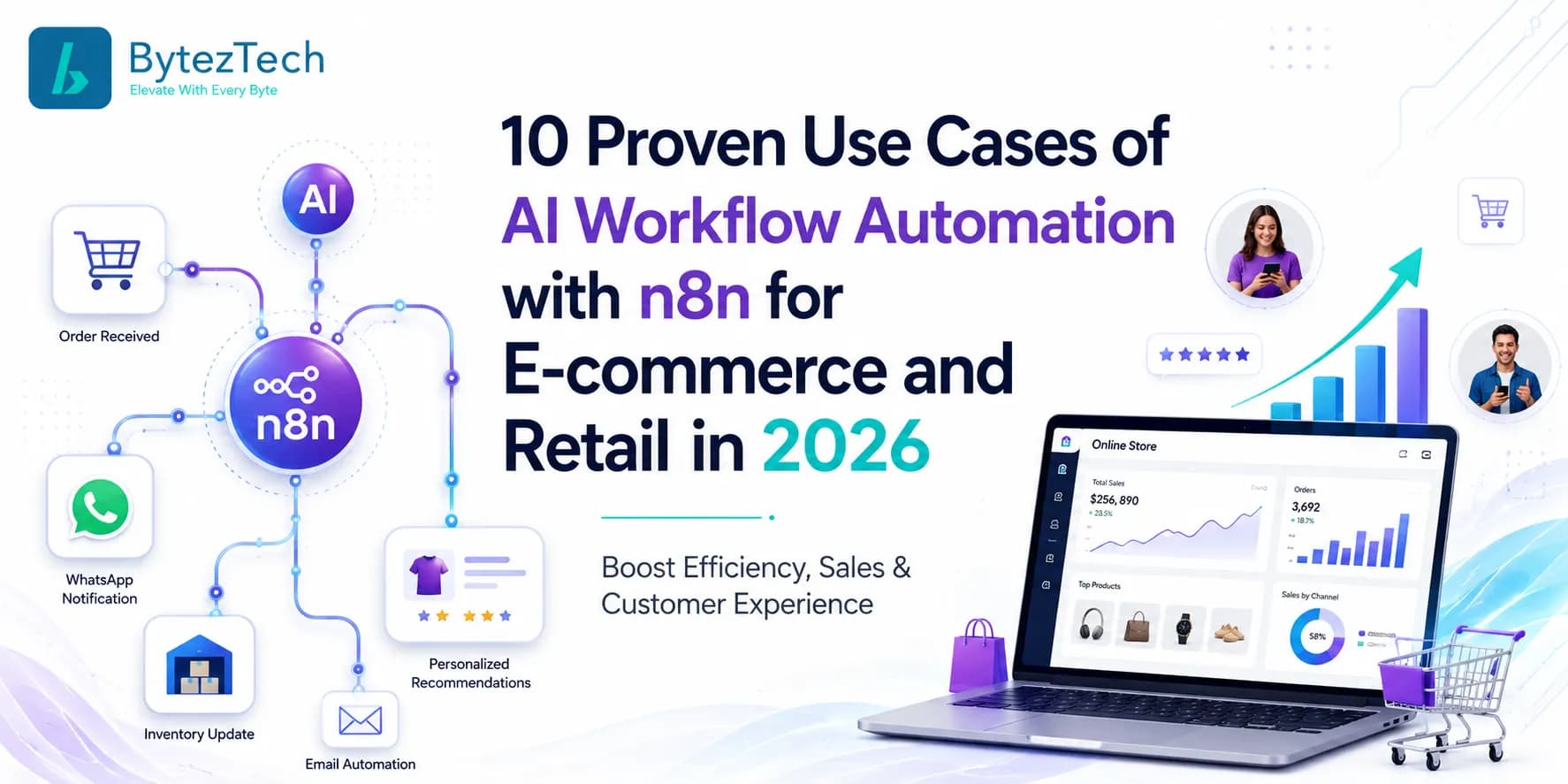
n8n stands out as a strong option because it’s open-source, self-hostable, and flexible. It connects hundreds of apps and allows you to add AI capabilities where needed. Many SMBs start with simple workflows and gradually make them smarter.
AI agents take this further. These are systems that can handle multi-step processes checking stock, updating records, notifying suppliers, and confirming with the customer all while following your rules.
Cloud services from AWS, combined with edge tools like NVIDIA Jetson for any vision-related tasks, help keep things fast and secure without huge infrastructure costs.
Getting Started Without Overwhelming Your Team
The biggest mistake when implementing smart automation in SMBs is trying to automate everything at once. Start small and focused.
- Pick one painful process - maybe invoice chasing, order confirmation, or lead follow-up.
- Map out the current steps clearly.
- Build a simple automated version and test it with real data.
- Monitor results for a couple of weeks and refine.
- Move to the next process once the first one is stable.
Training matters too. Show your team how the automation helps them rather than threatening their jobs. The people closest to the work often suggest the best improvements once they see the system in action.
Security and data privacy are non-negotiable. Choose tools that let you keep sensitive information in-house when needed, especially for customer communications or financial data.
Common Challenges and How to Handle Them
Automation isn’t always smooth sailing. Initial setup takes time and testing. Processes that change frequently need careful design so updates don’t break things.
Integration with older software can be tricky, but most modern automation platforms handle legacy systems better than expected through APIs or simple file exchanges.
There’s also the fear of things going wrong silently. Good setups include notifications for failures and regular reviews. Start with automations that have human approval steps for important actions until trust builds.
Cost is another concern. While some tools have free tiers, professional implementation and maintenance are investments. The return usually comes within months through time saved and errors avoided.
The Bigger Picture for SMBs
Smart Automation in SMBs levels the playing field. Large corporations have had custom systems for years. Now smaller businesses can access similar capabilities without the massive price tag.
It’s happening quietly because it’s not about replacing entire departments. It’s about removing friction so businesses can compete on speed, reliability, and customer experience.
We’re seeing more owners regain evenings and weekends. Teams feel less overwhelmed. Customers notice faster, more consistent service.
This isn’t a temporary trend. As AI capabilities become more affordable and easier to integrate, automation will become a standard part of running any growing business - much like email or cloud storage did before.
Taking the Next Step
If your team is drowning in repetitive work or you’re worried about scaling without exploding costs, smart automation is worth exploring seriously. The technology has matured enough that the real barrier is no longer technical - it’s simply getting started.
At BytezTech, we help small and medium businesses design and deploy these systems in practical, manageable ways. Whether it’s workflow automation, AI-powered responses, or connecting your existing tools more intelligently, the goal is always the same: make operations smoother so you can focus on growth.
Ready to see what’s possible for your business? Drop us a message or book a quick call. We’ll look at your current processes and suggest where automation could make the biggest difference.
The businesses that adopt these tools thoughtfully over the next couple of years will have a genuine advantage. The quiet revolution is already underway. The question is whether you’ll be part of it.

Written by
Chintan PoriyaFounder & CEO, BytezTech
Chintan brings over 11 years of proven experience in technology leadership, AI product development and digital transformation. As the founder of BytezTech, he has built the company from a three-person team into a dedicated AI solutions company delivering GPU-accelerated computer vision, intelligent automation and AI agent systems to clients across 8 countries.