
IoT


- 2 Dec, 2025
- 229 Views
- 0 Comment
The business landscape has changed dramatically over the past few years. If you are a small business owner, you have probably heard the term “digital transformation” thrown around at industry conferences, in business publications, and during conversations with fellow entrepreneurs. But what does it actually mean for your business, and more importantly, how can you utilize Digital Transformation for Small Businesses to stay competitive?
Digital transformation is a fundamental shift in how businesses operate, serve customers, and create value in an increasingly digital world. Let’s dive deep into what digital transformation means for small businesses and how you can successfully navigate this journey.
Understanding Digital Transformation for Small Businesses
Digital transformation is the process of integrating digital technology into all areas of your business, fundamentally changing how you operate and deliver value to customers. But here is what many business owners miss: it is not just about buying new software or upgrading your computers. True digital transformation involves a cultural shift that requires organizations to continually challenge the status quo, experiment with new approaches, and become comfortable with change.
For small businesses, this transformation typically starts with moving from paper-based processes to digital documents, adopting cloud-based tools for collaboration, and implementing software solutions that streamline operations.
According to recent industry research, 92% of small and medium enterprises believe digital transformation is crucial for their business, highlighting just how essential this shift has become for staying competitive in today’s marketplace.
Why Digital Transformation Matters for Small Businesses
You might be wondering: “Why should I invest time and resources into digital transformation when my current processes work fine?” The answer lies in the tangible benefits that digital adoption delivers.
Improved Operational Efficiency
Digital tools can automate repetitive tasks that consume valuable time. Instead of manually entering data, reconciling spreadsheets, or chasing down paper invoices, automated systems handle these processes seamlessly. This means you and your team can focus on strategic activities that actually grow your business like building customer relationships, developing new products, or exploring new markets.
Cost Reduction and Better Resource Allocation
While there’s an upfront investment in digital tools, the long-term savings are substantial. Cloud storage solutions are more affordable and secure than maintaining physical storage systems. Digital workflow automation reduces manual labor costs and virtually eliminates costly human errors that plague manual processes.
Enhanced Customer Experience
Customers expect seamless digital experiences. They want to interact with your business on their terms whether that’s through your website, mobile app, social media, or automated customer service channels. Digital transformation enables you to meet these expectations by providing user-friendly interfaces, personalized communications, and 24/7 accessibility.
Data-Driven Decision Making
Perhaps one of the most powerful benefits of digital transformation for small businesses is access to real-time business intelligence. Modern analytics tools can help you identify trends, track performance metrics, and make informed decisions based on actual data rather than gut feelings. This capability alone can give small businesses a competitive edge that was once reserved only for large corporations with dedicated analytics departments.
Increased Market Reach
Digital transformation for small businesses breaks down geographical barriers. E-commerce platforms, digital marketing tools, and online collaboration software enable small businesses to reach customers across the country or even globally something that would have been impossible or prohibitively expensive just a decade ago.
Key Components of Digital Transformation for Small Businesses
Digital transformation isn’t a one-size-fits-all solution. However, most successful transformations include several core components:
Cloud Computing
Moving your data and applications to the cloud provides flexibility, scalability, and cost savings. Cloud solutions allow your team to access critical business information from anywhere, enable real-time collaboration, and eliminate the need for expensive on-premise servers and IT infrastructure.
Process Automation
From marketing automation to robotic process automation (RPA), these tools handle repetitive tasks with greater speed and accuracy than humans. Whether it’s automating invoice processing, email marketing campaigns, or customer onboarding, automation frees up your team to focus on higher-value activities.
Artificial Intelligence and Machine Learning
AI isn’t just for tech giants anymore. Small businesses are leveraging AI-powered chatbots for customer service, using machine learning algorithms for inventory forecasting, and implementing AI-driven analytics to understand customer behavior. The number of AI users among small businesses doubled in 2025, demonstrating the rapid adoption of these powerful tools.
Cybersecurity Solutions with Digital Transformation for Small Businesses
As you digitize more of your operations, protecting sensitive data becomes paramount. Implementing robust cybersecurity measures isn’t optional – it is essential for maintaining customer trust and complying with data protection regulations.
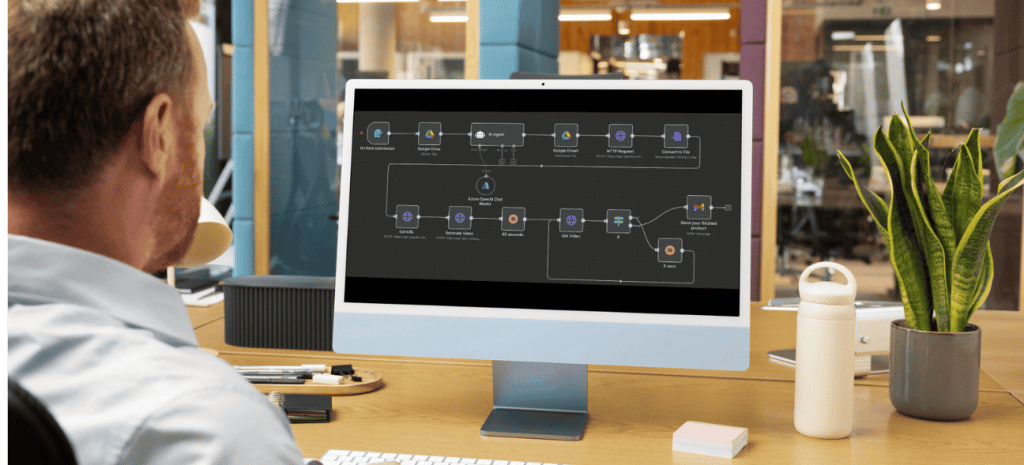
The Digital Transformation Journey: A Practical Roadmap
Embarking on a digital transformation initiative can feel overwhelming, but breaking it down into manageable steps makes the process more approachable.
Step 1: Assess Your Current State
Start by evaluating your existing processes, technologies, and capabilities. Identify pain points, inefficiencies, and areas where digital solutions could make the biggest impact. Ask yourself:
- Which processes consume the most time?
- Where do errors most frequently occur?
- What customer complaints do we hear most often?
- Which manual tasks could be automated?
Step 2: Define Clear Objectives
What do you want to achieve through digital transformation? Your goals might include reducing operational costs by 30%, improving customer satisfaction scores, expanding into new markets, or increasing employee productivity. Whatever your objectives, make them specific, measurable, achievable, relevant, and time-bound (SMART).
Step 3: Prioritize Initiatives
You can’t transform everything at once. Identify which projects will deliver the most value with the least complexity and start there. Quick wins build momentum and demonstrate ROI, making it easier to secure buy-in for larger initiatives.
Step 4: Build Your Technology Stack
Select tools and platforms that align with your objectives and integrate well with each other. At BytezTech, we help small businesses choose and implement the right technology solutions tailored to their specific needs, ensuring seamless integration and maximum value.
Step 5: Invest in Digital Literacy
Technology is only as effective as the people using it. Provide comprehensive training for your team and foster a culture that embraces change and continuous learning. Your employees should understand not just how to use new tools, but why they’re important.
Step 6: Implement Incrementally with Digital Transformation for Small Businesses
Deploy solutions in phases rather than attempting a complete overhaul overnight. This approach minimizes disruption, allows for course corrections, and helps your team adapt gradually to new ways of working.
Step 7: Measure and Optimize
Continuously track key performance indicators (KPIs) to assess the impact of your digital initiatives. Research shows that 81% of organizations use productivity as the primary measure of digital transformation ROI. Other important metrics include cost savings, revenue growth, customer satisfaction scores, and employee adoption rates.
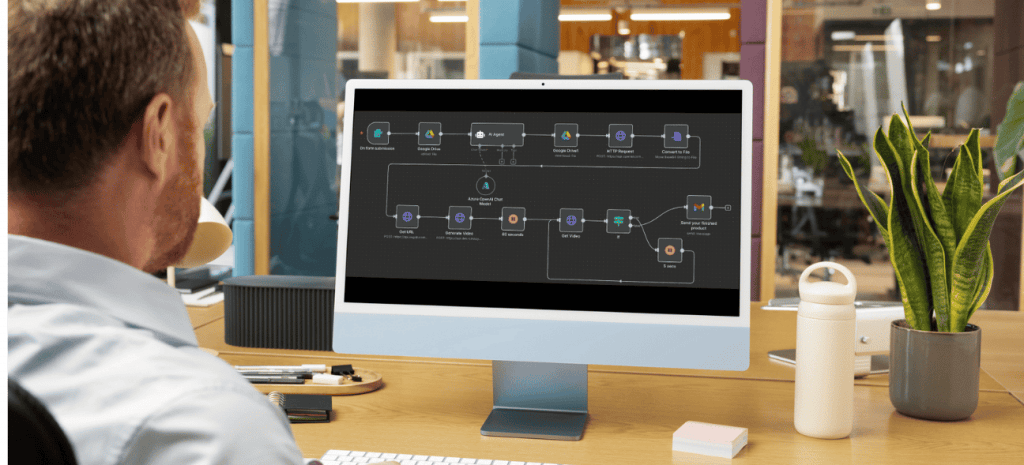
Real-World Impact: Digital Transformation for Small Businesses Success Stories
Small businesses across industries are reaping the benefits of digital transformation. Local retailers are using e-commerce platforms and digital marketing to reach customers beyond their immediate geography. Service-based businesses are using automated scheduling and CRM systems to manage client relationships more effectively. Manufacturing companies are implementing IoT sensors and predictive maintenance systems to minimize downtime and optimize production.
The common thread? These businesses recognized that digital transformation isn’t optional – it is essential for long-term survival and growth. Check our real-world success story here for Digital Transformation for Small Businesses.
Conslusion
Digital transformation isn’t a destination – it is an ongoing journey of continuous improvement and adaptation. The businesses that thrive in the coming years will be those that embrace change, invest in the right technologies, and foster cultures of innovation.
Global digital transformation spending is forecast to reach $3.4 trillion by 2026, reflecting the massive shift happening across all industries. Small businesses that start their transformation journey today position themselves to compete effectively, serve customers better, and build sustainable growth for the future.
The question isn’t whether you should pursue digital transformation – it is how quickly you can get started. Your competitors are already making this shift, and customers increasingly expect digital-first experiences. Don’t get left behind.
Ready to begin your digital transformation journey? Contact BytezTech today to learn how we can help modernize your operations, improve efficiency, and drive growth through strategic digital solutions. Let’s build the future of your business together.


DROP US A LINE
Connect with BytezTech
Ready to take the first step towards unlocking opportunities, realizing goals, and embracing innovation? We're here and eager to connect.

Call us now:
+91 6351100121

Write to us on: